A thatched roof may add a touch of history and charm to your home, but it demands year-round care to keep it in top shape and prevent costly repairs down the line. Our expert team at Simply Thatch outlines the key seasonal tasks to keep an eye on to give your roof a chance to last for decades to come. By following these simple tips and doing the odd check-in with a qualified thatcher every now and then you’ll be more likely to catch small issues before they spiral out of control.
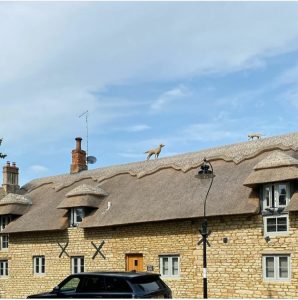
A classic thatched cottage roof – even an idyllic one like this needs regular upkeep to keep it strong through every season.
Winter (Dec – Feb): Looking Out for Weather Damage & Signs of Wear
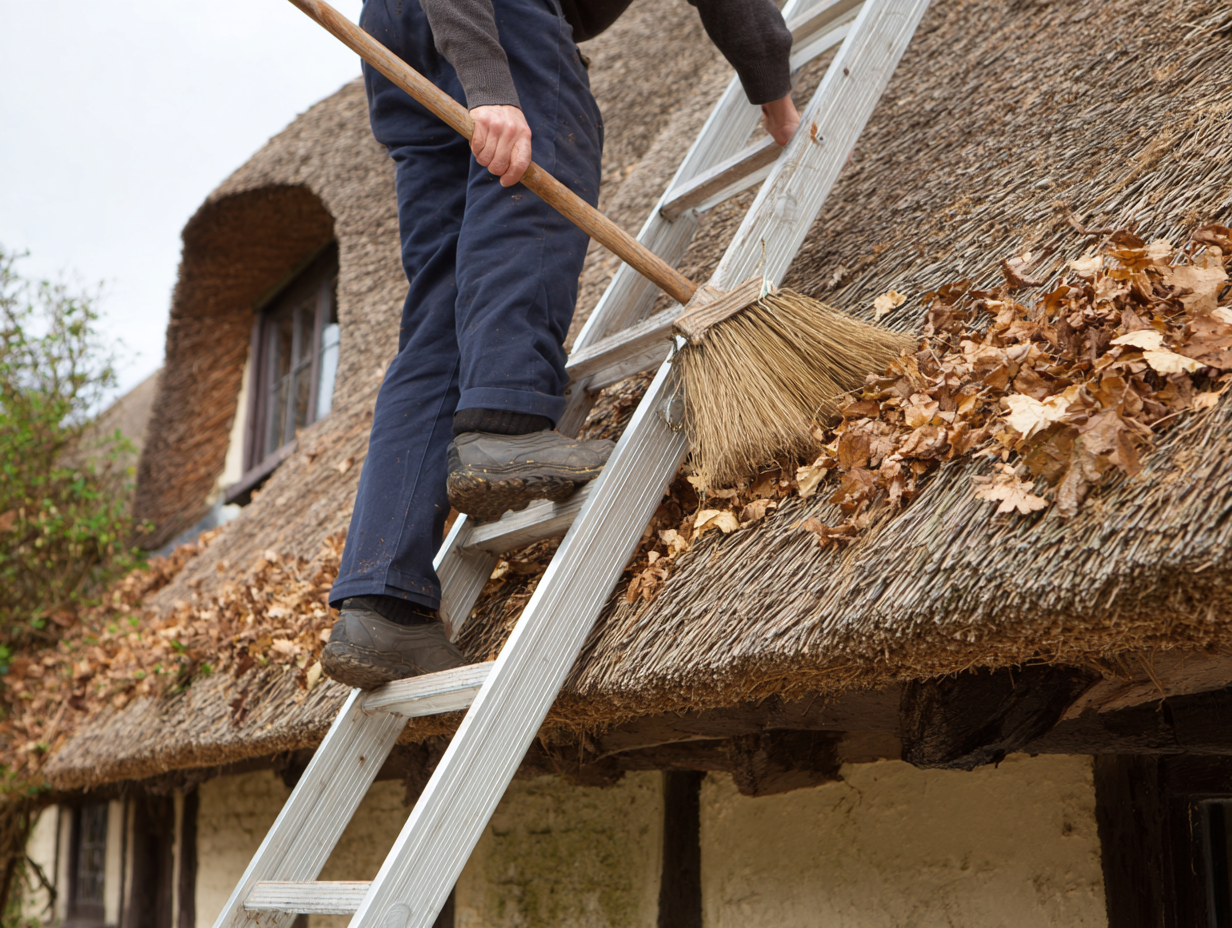
- Clear Debris – and Don’t Forget the Gutters. Once autumn’s leaves have stopped falling, get up there and gently sweep off any debris that’s accumulated on the roof or in that thatch netting. A soft broom or brush should do the trick, anything else might end up tearing the thatch. Clearing leaves and pine needles now stops moisture getting trapped against the thatch and accelerates rot or moss growth so you should try and avoid over-doing it with the sweeping. Clean out gutters too – make sure melting snow and winter rain can run off without getting trapped on the thatch.
- Take a Close Look at the Roof. A good tip is to put on your walking boots and take a good hard look at the roof (choose a dry day, though – you don’t want to be slipping about on wet thatch). Check for any obvious damage; lifted or missing thatch, loose wire netting, raised or broken fixings, or sagging areas. The ridge, in particular, is worth a close look – if you see exposed thatch spar pins or a thin patchy ridge, it’s time to get someone in. Pop inside the roof space and check for any daylight or damp spots. Even small-looking holes or wet patches, take a photo now so you can compare later.
- Check Those Flashings & Chimneys. Have a good look at the lead or cement flashings around chimneys, vents, or dormer windows for any cracks, gaps or shifted bits that could let water in. Also check that your chimneys are in good nick: clear out any bird nests or debris and make sure the stack’s clear of the thatch by at least 6 feet (as per UK building regs). If you burn wood, get your chimney swept before the winter season gets going – old soot or creosote build-up is a fire hazard.
- Lightning Protection – Get it Checked. Winter storms can bring lightning, which is a major fire risk for thatch. If your house has a lightning conductor (air terminal), get it checked by a qualified installer. A functioning lightning rod system can safely divert any strikes away from the roof. If you don’t have one, now’s a good time to think about getting one fitted by a pro – especially if there are any trees or aerials nearby.
- Get a Pro to Check the Roof. Many thatch specialists reckon you should have a check by a Master Thatcher at least once a year, it’s worth booking in for a visit now, while the weather’s not too bad. A pro can do a safe, detailed check (including on the roof slope) and make any small repairs needed to keep the roof sturdy. Even if everything looks okay, having a certified thatcher give it the once-over will give you peace of mind for the season ahead.
Spring (Mar – May): Give Your Roof a Spring Clean
- Shake off that Moss. As the weather warms up and dries out, moss and lichen that’s built up over winter may start to die back or get loose. Brush or rake it off gently, but be careful not to overdo it and damage the thatch. If moss is thick or you spot any weak thatch underneath, bring in a thatcher to do the job – you don’t want to make things worse by getting too enthusiastic with the cleaning. A gentle clean on a dry day lets sunlight and air get to the straw.
- Patch Up Any Thatch Holes. Take a good look at the main coat of thatch and the ridge. Are there any small holes or thin patches starting to appear? If you spot just one or two holes or slits you can get a thatcher in to patch them up using spare bundles of thatch and a few hazel spars. Doing this now stops water getting in and stops the gaps getting any bigger. What’s more, the less disturbance you cause to the roof, the better, even patching should be done with a light hand to blend the new straw into the old. Get Rid of Overhanging Branches. If you’ve got trees that’ve grown a bit too close to your roof, or have branches that are just a little too low, now’s the perfect time to trim them back. Overhanging branches are a real pain, they drop leaves and twigs all over the thatch and that can clog it up and keep it damp. Plus, they can rub against the roof in the wind and cause some real damage. Keep an eye on shrubs and other greenery too, make sure it’s not getting too close to the thatch – that can slow down the roof drying after a spring shower. The industry advises you to keep trees and plants back because they “slow down the roof drying after rain” and can even make moss and lichens grow on the roof. By cutting back all that greenery, you’ll get a lot more airflow and sunlight on the roof, which is just what it needs to dry out after a wet spring.
- Give Your Fixings and Netting a Good Look-Over. Take a good hard look at that wire netting on your roof – after winter and spring winds it’s probably come loose or there’s a load of debris stuck under it. Get out there and clear out any leaves or debris that’s lodged at the eaves or caught in the netting. If you don’t, it’ll just trap moisture under the thatch and cause you grief later on. Also, make sure the netting is still secure and free of any big gaps. It’s worth it, because secure wire mesh keeps all sorts of critters (like birds and rodents) out of the thatch, and prevents the straw from getting battered by winter storms.
- Don’t Forget the Chimney and Fire Safety. Before the summer burn ban kicks in, get the chimney swept one more time if you burn wood. Check the roof space for any mouse or bird nests that might have been built over winter. And, be a good idea to have your woodstove or fireplace checked out – a recent chimney sweep and flue inspection will save you a world of trouble. (As a general rule, you should get your chimney swept at least twice a year on a thatched roof).
Early spring’s like a breath of fresh air – you get to see your roof in all its glory, and it’s still dry and in good nick. That’s because of all the sun and open sky, of course. Keeping the roof tidy and well-maintained is the key to keeping it in good condition.
Summer (Jun–Aug): Keep an Eye on Things and Stay on Top of Maintenance
- After a BIG Storm, Have a Look at the Roof. Summer weather can be pretty unpredictable, so be prepared for the worst. After any big storm or high winds, take a quick look at the roof from the ground or a steady ladder, without leaning it on the thatch. Check for any loose or torn thatch bundles, displaced fixings or broken wires. Even if it’s just a small problem, it’s best to get it sorted out – a small gap can let water in and cause big problems later on.
- Pest Control, Summer-Style. This is the time of year when all sorts of critters start to get curious about your roof. Keep an eye out for early signs of nesting or burrowing – birds pecking at the thatch, rodents scratching at the walls. If you spot any of these warning signs, take action: fit netting if you haven’t already got it, replace bird spikes at the vulnerable edges, and make sure any holes are sealed up. As a matter of course, give the roof a good clean – pick off any food debris or organic litter that might have accumulated – and remove any nests you find. By nipping these problems in the bud, you can prevent bigger infestations.
- Trim the Surrounding Vegetation (Again). Summer’s a time of growth and new life, but it also means new branches and vines are heading straight for your roof. Do a second check of all the nearby trees and climbers, and make sure any fast-growing vines are kept off the walls and roof. Prune anything that’s shading or touching the thatch, because even the smallest piece of debris can hold moisture against the straw and slow down the drying process. Good airflow and sunlight are your best allies in keeping the thatch in good shape.
- Take a Good Look at Flashings and Seals. If you’ve got metal flashings on your roof – lead or sealed cement – take a good hard look at them now. Summer heat can be pretty unforgiving, and it’s not uncommon for concrete to crack. Replace or repair any cracked cement mortar before winter gets here – and if your lead flashing’s lifted, you might want to have it tightened up. By sorting these small issues now, you’ll avoid problems later on.
- Fire-Prevention’s Not Just for Winter. If your insurance or local authorities recommend using fire retardants, summer’s a great time to give the roof another coat. Fire-retardant sprays (like Magma or similar products) should be applied on a dry, calm day – and many thatching experts recommend reapplying every 4-5 years. Even if you’ve done it recently, have a walk around the roof (carefully from the ground or a platform) to make sure there’s no dry debris lying around. And while you’re at it, clear away any dead leaves under the eaves, and keep the grass around the property cut low – a stray ember on dry straw is a recipe for disaster. Mid-Year Check (Professional). If a yearly inspection is all you can manage, summer can be a decent time to do it (in fact, when the rain is less likely). A quick check by an expert can spot some pretty subtle problems such as thatch “slippage” or small dips in the roof. At Simply Thatch our team often does a routine sweep of the roof surface while doing these hot-weather inspections, just to keep it in top condition. And at the very least, double-check that all the seasonal jobs (like fixing any snapped wire or patching up small gaps) are done before the year is out – a bit of prevention now saves bigger headaches later.
Autumn (Sep–Nov): Getting Ready for Winter
- Leafy Mess and Gutter Clear-Out. Come autumn, leaves are going to be all over your roof. Make it a regular habit to clear them off, especially after any bad weather. Leaves stuck to the thatch surface or clogging up your eaves just hold moisture and hasten rot, so be diligent. Don’t forget the gutters and downspouts either: give them a clean now and that way the roof can drain away freely through winter. Honestly, if you leave even one wet leaf on the roof it’ll be a mini-ecosystem of mould in no time.
- Branch Pruning and Letting the Roof Breathe. Do a final check of any nearby trees and shrubs – make sure they’re not obscuring your roof as the days get shorter. Cut back any overgrown branches so the roof gets as much sunlight and airflow as possible. If you want to extend the life of your thatch, don’t let it go damp, a good rule of thumb is to allow the roof to dry out after any autumn storms.
- Get the Ridge Shipshape. After a summer of gales and heatwaves, the ridge of your roof may have taken some damage. If it looks a bit bare or uneven you might need to get the thatcher to give it a bit of TLC – that’s called a “dress-up”. That means just reattaching any loose straw and giving it a quick brush-down to firm up the top coat. Also, have a look at all the thatch fixings along the ridge – any that are loose or exposed can start to decay. A neat, sturdy ridge is your first line of defence against the worst of the winter rain.
- Give the Roof a Good Going-Over. While you’re at it, take some time to do a more thorough check before the cold sets in. Look out for any signs of wear ( sagging lines, bald patches, watermarks on the walls) and make a note of them. And remember, sometimes a roof can look spotless on the outside but hiding all sorts of problems beneath the surface. For example, a new ridge might cover up an older main coat – so if you’re in doubt, get a conservator or thatcher to have a look at the age of the thatch. Roof advice resources often say that if you’re buying a house with an old roof, “sellers often get a new ridge put on just to sell it” – so it’s worth knowing the full story.
- Chimney and Interior Prep. Get your chimney swept if it needs it, and double-check that all heating vents and flues are sealed at the base of the thatch. Take some extra steps inside too: fit carbon monoxide/smoke alarms (landlords now often make this a requirement) and make sure there’s no fuel spills or clutter near your fireplace. Finally, get a plan in place for snowy or wet weather – keep ladders handy, and have a tarp or waterproof sheeting ready just in case a leak appears – that way you can prevent water damage inside while you get a repair done.
Regular checks by a qualified thatcher help catch wear before it becomes a problem. In this late-autumn photo, a strong netting and neat ridge keep the roof ready for winter’s worst.
Some Ongoing Tips to Keep Your Roof in Tip-Top Shape
Right throughout the year, keep these general guidelines in mind:
- Regular Check-Ups from a Qualified Pro. We’ve said it before, but having a master thatcher look over your roof at least once a year (often in spring or autumn) is an investment that’s well worth making. They can spot all sorts of problems – “damage from pests, water ingress or wear from weather exposure” – before you even know they’re there. The sooner a fault is found, the simpler and cheaper it is to fix.
- Don’t Go Walking on Your Roof if You Don’t Have To. Never walk on the thatch unless absolutely necessary, and if someone does need to get up there (e.g. for chimney work), make sure they put boards down or spread ladders out so that weight isn’t concentrated in one spot. Even a small hole or divot from a boot can start a weak spot that just grows over time.
- Dryness is King. The single most important thing you can do for your thatch’s longevity is to keep it dry. That means keeping the sun on it, promoting airflow, and fixing leaks the moment you spot them. Dry, well-ventilated thatch resists rot and stays insulating – keeping your home cozy and reducing your energy bills in the process. Prompt Repairs, If some minor damage happens, sort it out right away. That’s what another guide advises, ‘sort these little problems out before they become major headaches’, basically. Even mending a tiny weakness in the thatch or replacing a couple of spar pins where the ridge creaks a bit will save you in the long run. It’s usually cheaper and a whole lot less hassle to fix bits as they go, rather than letting the whole roof fall to bits.
- Fire Safety Measures. And on the really important stuff: thatch is basically a fire waiting to happen, so make sure you’ve got fire safety covered. Clean the roof clear of dead plants each year, make sure you’re up to date with applying any fire retardant treatments, get your chimney swept regularly and think about getting some lightning protection sorted out for the winter. These aren’t really ‘seasonal tasks’ in the way you’d expect but they make a huge difference in keeping everyone safe and in line with the insurance bods.
By sticking to this year-round to-do list, your thatched roof should just keep on going for decades. In fact, with a bit of TLC, a good thatched roof can easily last 40-50 years , which is a whole lot longer than most of the roofs you see on new builds. Every year’s bit of maintenance , from clearing moss in the spring to baulking up the roof for the winter, is like giving your roof a new lease of life, preserving not just a roof, but a bit of history. It all comes down to one thing: regular maintenance. It keeps the moisture at bay, gets the best out of the straw, and keeps your home warm, dry and characterful year after year.