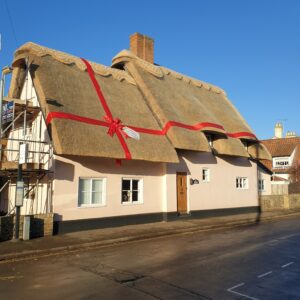
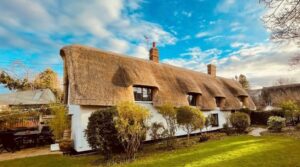
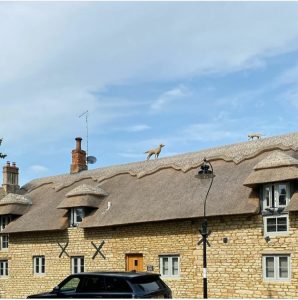
Thatched cottages are synonymous with rural British charm, picture-postcard homes with golden straw roofs. However, if you’re lucky enough to own (or plan to buy) a thatched property, you may have heard that getting insurance can be a bit more involved. Because a thatched roof is more flammable than slate or tile, insurers consider these houses a higher risk. But don’t let that put you off living under thatch. With the right precautions in place, thatched homes can be made safe, insurable, and full of peace of mind. In this guide, we’ll walk you through how to obtain insurance for a thatched home and the key safety measures, from regular chimney sweeping to installing lightning protection, that will reduce fire risks and keep your cottage secure.
The Unique Challenges of Thatched Home Insurance
Insuring a thatched property is not quite the same as insuring a standard house, mainly due to the increased fire risk and the specialised nature of thatch. Many mainstream insurers view thatched roofs as riskier, so you might need a specialist provider or broker who deals with thatched home insurance. Premiums for thatched houses can be higher than average, not only because of fire risk, but also because if the roof did need to be repaired or rebuilt, it requires skilled thatchers and special materials, which costs more than ordinary roofing.
Don’t panic, though: there are plenty of insurers in the UK that cover thatched homes. When arranging cover, be prepared for more detailed questions about your property. Insurers will likely ask about the age and condition of the thatch, when it was last re-thatched or repaired, the type of heating and stove you use, and what fire precautions are in place. They may request a roof inspection report from a master thatcher (especially if the roof is older or you’re a new owner) to confirm it’s in good condition. Buildings insurance policies also typically require that the property is well-maintained, a neglected thatched roof could invalidate your cover. In short, insurers want reassurance that you’re taking fire safety and maintenance seriously.
Tip: It’s wise to shop around with companies experienced in thatched properties. Specialist insurers understand the nuances better and may offer more competitive quotes or flexible terms if you have good safety measures. Whether you go through a broker or directly to an insurer, highlight any precautions you’ve taken (like chimney sweeps or installed safety devices). These can demonstrate that you’re a lower-risk client and sometimes earn you a discount on the premium.
Understanding the Fire Risk for Thatch
Why all the fuss about fire? It comes down to the roofing material: dry thatch (be it straw, reed, or heather) is combustible, whereas tiles or slates are not. A stray spark can ignite dry thatching in seconds, and thatch fires spread very quickly. Moreover, once alight, a thatched roof can be hard to extinguish, potentially resulting in severe damage to the home.
The good news is that thatch fires are relatively rare. There are an estimated 50,000 thatched buildings in the UK, and only around 50–70 of them experience a serious fire each year. Statistically, you’re not much more likely to have a house fire in a thatched cottage than in a regular home, but the difference is that if a thatch does catch fire, the outcome can be devastating. That’s why prevention is absolutely vital.
The main causes of fires in thatched properties are well documented. By far the most common culprit is chimney-related: embers and sparks from open fires or wood-burning stoves can escape or overheat the chimney, starting a blaze in the thatch. In fact, a large majority of thatch fires start due to solid fuel heating (wood or coal fires). Other causes include electrical faults (damaged wiring in the loft or rodents chewing cables) and lightning strikes. Even lightning hitting a TV aerial mounted on the roof can set the thatch alight in an instant. With these risks in mind, insurers and fire experts recommend a number of preventive measures. The following safety tips will not only protect your historic home but may even be required (or at least encouraged) by your insurance provider.
Essential Fire Safety Measures for Thatched Homes
Taking precautionary steps can greatly reduce the chance of a fire and demonstrate to insurers that your thatched home is as low-risk as possible. Here are some key fire safety measures every thatched property owner should consider:
- Regular Chimney Sweeping and Maintenance: Keep your chimney scrupulously clean. Soot and tar buildup inside a chimney can easily ignite into a chimney fire, a disaster in a thatched house. Have your chimney professionally swept at least once a year, or twice a year if you use a wood-burning stove or open fire frequently (for example, at the beginning and end of each heating season). Many insurers require proof of annual chimney sweeping as a condition of coverage. While the sweep is there, also have the chimney and flue inspected for cracks or loose mortar. Any defects in the chimney lining can allow hot gases or flames to escape into the thatch. It’s wise to fit a bird guard on the chimney pot as well, birds nesting in your chimney can restrict airflow and increase the risk of sparks or blockages. One thing to be cautious about is spark arrestors (mesh screens at the chimney top): if you do install one, it must be cleaned very regularly. A clogged spark arrestor can cause poor drafting, leading to overheating and actually create a fire hazard. Many thatch experts advise not using a fine-mesh spark arrestor unless you’re prepared to maintain it diligently. In general, focus on keeping the chimney in excellent condition: use seasoned wood only (damp or unseasoned wood produces more flammable creosote), and ensure the chimney height is sufficient. UK Building Regulations recommend chimney pots should extend about 1.8 metres above the thatch ridge, this helps sparks cool and burn out before they can settle on the roof.
- Fire-Retardant Thatch Treatments: Consider applying a modern fire-retardant treatment to your thatch. These are specialist spray treatments (or sometimes pressure-treated applications) that coat the thatch with chemicals to slow down ignition and flame spread. While they won’t make a thatched roof completely fireproof, they can provide a crucial window of time in the event of a fire, delaying the spread of flames. This could give the occupants extra time to respond and the fire brigade a better chance to save the building. Fire-retardant treatments usually need to be reapplied every few years, as weathering and UV light will reduce their effectiveness over time. Some insurance providers offer discounts or require that you treat the thatch with an approved fire-retardant product, and they may ask for evidence of when it was last done. It’s an investment worth considering for the added protection and peace of mind. Additionally, if you are completely re-thatching or building a new thatched roof, ask your thatcher about installing a fire-resistant barrier (such as fireproof board or membrane) beneath the thatch. This won’t prevent a fire, but it can stop a burning thatch from collapsing through into the interior and can dramatically slow down a fire’s penetration. Many new thatched homes are built with these fire barrier boards as an extra safety layer.
- Install a Lightning Protection System: Every thatched home should strongly consider a proper lightning conductor system. Lightning is a small but significant risk, a direct lightning strike can set a dry thatched roof ablaze in seconds. In fact, fire services report that lightning strikes (often via metal TV aerials or weather vanes on the roof) are one of the known causes of thatch fires. A lightning protection system consists of one or more metal rods (air terminals) mounted at the apex of the roof or chimney, connected via heavy conductive cables down the side of the house to buried grounding rods. In the event of a strike, the system harmlessly diverts the massive electrical energy straight into the ground, sparing your roof. Installing a lightning conductor is not prohibitively expensive and is a one-time measure that could save your home. It should be fitted by a certified professional to ensure it meets British Standards (such as BS EN 62305). Many insurers highly recommend or even mandate lightning protection for thatched properties, especially in thunder-prone areas. It’s also wise to mount any television aerial or metal mast on a gable end or on the ground (away from the roof), rather than atop the thatch, to further reduce lightning attraction. A properly earthed lightning rod system will greatly reduce the chance of a strike turning into a house fire, and it will certainly help you sleep better during summer thunderstorms.
- Electrical Safety Checks: Faulty wiring or electrics in the roof space can trigger a thatch fire, so it’s essential to keep your home’s electrical system safe. Old or damaged wiring, if hidden up in the loft near the thatch, is a recipe for disaster. Have a qualified electrician inspect your property’s wiring at regular intervals, many insurers insist on an electrical inspection at least every 5 to 10 years for thatched homes. If you’ve just purchased a thatched cottage (especially an older one), consider having an inspection straight away unless one was done very recently. Replace any outdated or degraded wiring and ensure all electrical installations in the loft are in conduit or well insulated. It’s best to avoid having downlights or electrics embedded in the thatch if possible. Also, be mindful of vermin: mice or rats sometimes chew through cables in roof spaces, so using rodent-proof trunking for wiring in the attic can help. Using modern circuit breakers and RCDs (Residual Current Devices) in your fuse board adds an extra layer of protection against electrical faults. From an insurance perspective, keeping electrical systems up to standard is often a requirement, it shows you’re mitigating one of the major non-chimney fire risks.
- Smoke Alarms and Fire Detection: Early warning is crucial with thatch fires, because a blaze in the roof can smoulder undetected until it’s well underway. Every thatched home should have working smoke alarms fitted on each floor as standard, but it’s highly recommended to also install a smoke or heat detector in the loft or roof space. Many fire services suggest this for thatched properties, a heat sensor in the attic can detect a smouldering thatch or an escaped ember before the fire spreads, giving you precious time to call the fire brigade. Make sure any detectors in the loft are the type with long-life batteries or are hard-wired with battery backup (since you might not go up to the attic often!). Additionally, consider a chimney temperature alarm, these are heat sensors that attach to the flue or chimney breast and sound an alert if the chimney temperature soars (a sign that a chimney fire or overheating is happening). This can let you catch a problem before it ignites the thatch. While not every home will have fancy systems, at minimum have multiple smoke alarms throughout the house. Some insurers will offer lower premiums if you have a monitored alarm system or even a roof sprinkler system, though these can be expensive installations. Evaluate what makes sense for your peace of mind and budget. Even a couple of basic measures like smoke alarms and fire extinguishers in key locations will improve your safety profile.
- General Prevention Habits: A few other commonsense habits can further reduce risk. Keep the roof and surrounding area clear of easily ignitable debris, for example, regularly remove dead leaves, pine needles or twigs that accumulate on the thatch, especially in autumn, as they can act as kindling if a spark lands there. Trim back any overhanging tree branches that could rub on the thatch or drop dry material onto it. Avoid having open flames near the thatch: that means no bonfires or fire pits extremely close to the house, and be cautious with barbeques or fireworks. (Some insurance policies actually have warranties forbidding fire pits or fireworks within a certain distance of a thatched roof.) If you’re doing DIY with blowtorches or anything producing flames, take it well away from the roof. It’s also a good idea to keep a fire extinguisher or fire blanket handy, and have an escape plan just as you would in any home. In rural areas, ensure your property entrance is clearly signed and accessible so that fire engines can reach you quickly in an emergency. By maintaining a tidy property and being vigilant about fire in day-to-day life, you add extra layers of safety to your thatched home.
Working With Your Insurer for Peace of Mind
Implementing the safety measures above will not only protect your cottage, they can make the process of insuring your thatched home much smoother. Insurance companies are reassured knowing that a homeowner has taken proper precautions. In fact, many of these steps may be required by insurers or come with rewards in the form of lower premiums. For example, an insurer might stipulate in your policy that you sweep the chimney annually (and be able to show a certificate or receipt as proof). If you fail to do so and a chimney fire occurs, they could potentially refuse a claim, so it’s important to stick to any such requirements. Similarly, your insurer may require a 5-year electrical safety certificate (especially if the wiring is older) and proof that any recommendations from the electrician were carried out. Some companies insist on a thatcher’s inspection report every decade or so, to ensure the roof is in good order, and any necessary repairs must be done, otherwise the policy might not pay out for related damage.
On the flip side, having extra protections can work in your favour. Installing a lightning conductor or having your thatch treated with an accredited fire-retardant might earn you a modest discount or at least make insurers more willing to offer cover. Be sure to inform your insurer of any upgrades or precautions you’ve added. It shows that you’re a responsible owner. Always read your policy’s small print for any warranties or conditions specific to thatched roofs. Common requirements can include keeping the chimney flue lined and well-maintained, not using open fires if they’re not in a proper fireplace, or storing combustible materials (like petrol or large propane cylinders) at a safe distance from the house. As long as you follow the guidelines, you should have no issues if you ever need to make a claim.
Finally, don’t be afraid to ask questions when purchasing insurance for a thatched property. Ask the provider what measures they expect you to have in place, and what might lower the premium. You’ll find that many insurers appreciate proactive customers, after all, prevention is in everyone’s interest. With the right policy and safety practices sorted, you can truly enjoy your idyllic home without worry.
Living Safely Under Thatch
Owning a thatched home means embracing a bit of extra responsibility, but the reward is living in a beautifully unique house steeped in character. By following the safety tips outlined, sweeping your chimney regularly, treating the roof with fire retardants, fitting a lightning protection system, and generally being vigilant, you dramatically cut the risk of fire. These precautions go hand in hand with suitable insurance, ensuring that your home is not only cosy and charming, but also properly protected.
Living under a thatch roof can indeed be just as safe as any other home when you take care. Thousands of thatched homeowners across Britain sleep soundly each night thanks to the measures they’ve put in place. With a solid insurance policy backing you up and sensible fire prevention habits, you’ll have the peace of mind to truly appreciate your fairy-tale cottage. In the end, insuring a thatched home is absolutely achievable, especially once you prove to insurers that you’ve made it as fire-safe as possible. So equip your thatched haven with the right safeguards, then relax and enjoy the timeless comfort and charm that comes with life under a thatched roof. Safe and happy thatching!